As a Psychiatric-Mental Health Nurse Practitioner (PMHNP-BC), I see firsthand the profound impact that relationships have on an individual’s mental and emotional well-being. While healthy relationships can be a source of incredible strength and support, those characterized by controlling behavior can be deeply damaging, often leading to a range of severe mental health issues.
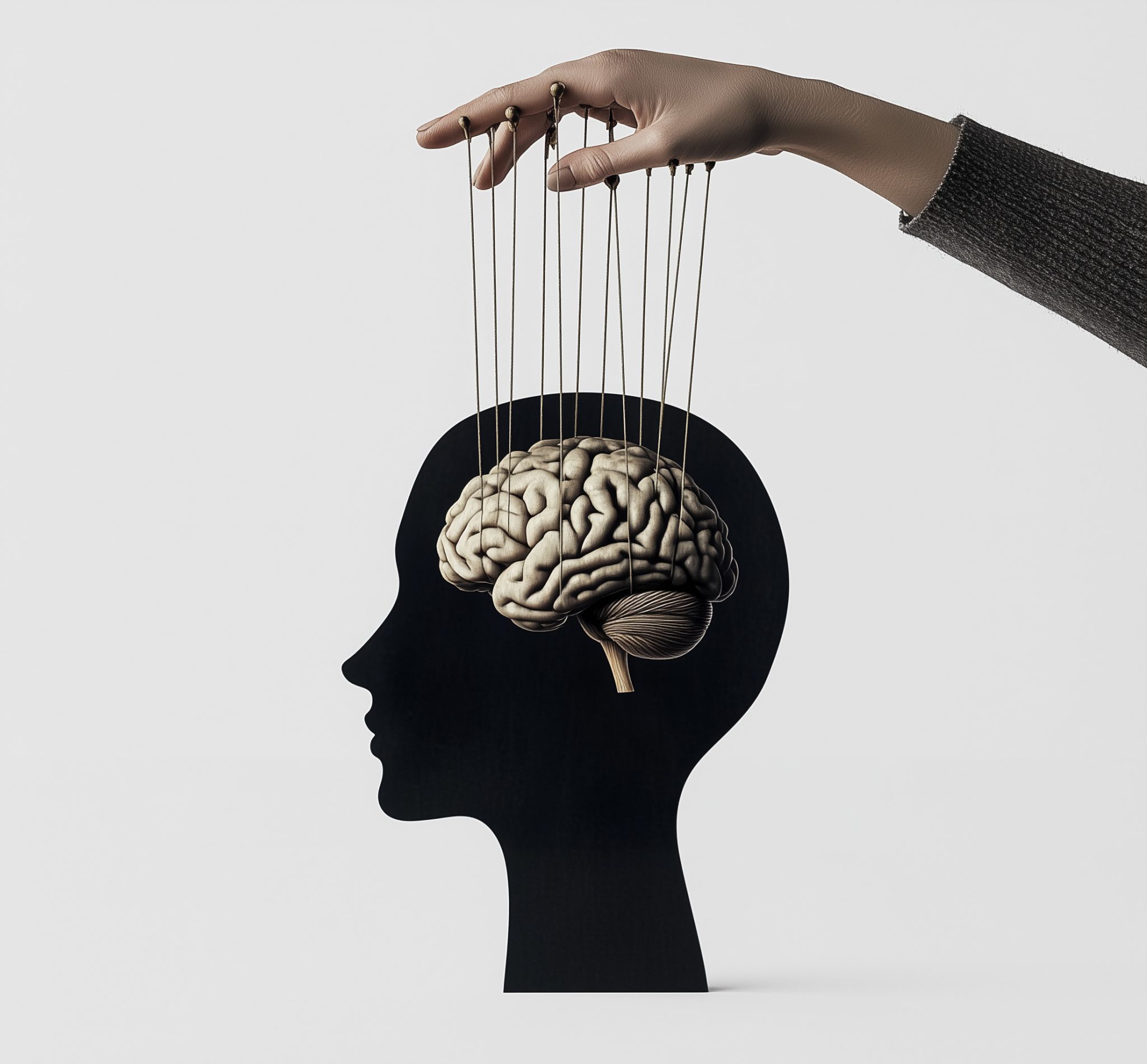
This isn’t just about a person being “bossy” or “overbearing.” Controlling behavior is a form of psychological and emotional abuse, where one partner exerts power over the other to dictate their actions, thoughts, and feelings. This insidious dynamic erodes a person’s sense of self, autonomy, and security, creating a fertile ground for mental distress.
The Psychological Impact of Controlling Behavior 🧠
Research in recent years has highlighted the significant correlation between coercive control and negative mental health outcomes. A systematic review and meta-analysis found that exposure to coercive control is moderately associated with both PTSD and depression (Karakurt et al., 2023). This is because the constant state of fear and entrapment creates a trauma response, even without physical violence.
Here’s how controlling behavior can specifically harm mental health:
- Anxiety and Hypervigilance: When you’re in a controlling relationship, you may feel like you’re constantly walking on eggshells. You’re always anticipating your partner’s next move, trying to avoid conflict or their displeasure. This constant state of high alert can lead to chronic anxiety, panic attacks, and hypervigilance (Prime Behavioral Health, 2024).
- Depression and Hopelessness: A controlling partner often isolates you from friends and family, which can lead to profound feelings of loneliness and helplessness. The constant criticism and belittlement can chip away at your self-esteem, leading to feelings of worthlessness and hopelessness, which are hallmark symptoms of depression (Jackson House, 2024).
- Erosion of Self-Worth: When a partner gaslights you, makes all your decisions, and blames you for their anger, you begin to question your own reality and judgment. Over time, this can severely damage your self-confidence and sense of identity. As a result, many victims lose their sense of self and their ability to express their own feelings and needs (BetterHelp, 2025).
- Post-Traumatic Stress Disorder (PTSD): The unpredictable and threatening nature of coercive control can be a traumatic experience. Victims may develop symptoms of PTSD, including flashbacks, nightmares, and emotional numbness, as a result of the psychological abuse they’ve endured (Karakurt et al., 2023).
The Role of the PMHNP-BC 🩺
As a PMHNP-BC, my role in these situations is to provide a safe and non-judgmental space for patients to be heard and to validate their experiences. It’s crucial to understand that the mental health symptoms my patients are presenting with—like depression, anxiety, or PTSD—are often a direct result of their relational dynamics.
My approach involves:
- Holistic Assessment: I conduct a comprehensive evaluation that goes beyond the immediate symptoms to understand the patient’s entire life context, including their relationship dynamics.
- Evidence-Based Treatment: I use a combination of psychotherapy, such as cognitive behavioral therapy (CBT), and medication management to address the patient’s specific symptoms. Therapy can help them regain a sense of self, rebuild their self-esteem, and develop coping strategies.
- Empowerment and Psychoeducation: I work to empower patients by helping them recognize the signs of a controlling relationship and understand how it’s affecting their mental health. Educating them about the cycle of abuse is a critical step toward recovery.
- Collaboration: I collaborate with other healthcare professionals, including licensed therapists and social workers, to ensure the patient has a comprehensive support system.
For anyone who feels trapped in a controlling relationship, please know that help is available. Seeking support is not a sign of weakness; it is a courageous first step toward reclaiming your mental health and your life. 💖
Bibliography
BetterHelp. (2025, January 8). The effects of controlling behavior in relationships. Retrieved from https://www.betterhelp.com/advice/behavior/dealing-with-controlling-behavior-in-relationships/
Jackson House. (2024, May 29). How toxic relationships affect your mental health. Retrieved from https://www.jacksonhousecares.com/blog/posts/2024/may/how-toxic-relationships-affect-your-mental-health/
Karakurt, G., Waid, J., & Whitten, J. S. (2023). The trauma and mental health impacts of coercive control: A systematic review and meta-analysis. International Journal of Environmental Research and Public Health, 20(2), 1629. https://doi.org/10.3390/ijerph20021629
Prime Behavioral Health. (2024, July 31). How toxic relationships affect your mental health. Retrieved from https://primebehavioralhealth.com/blog/how-toxic-relationships-affect-your-mental-health/